What can global marketers learn from Chinese Brands going Global?
Siew Ting Foo argues that China’s most successful brands are not chasing growth, they are redefining how global brands are built.
The Year of the Horse begins February 17, bringing with it more than just festivities. It also marks China’s transition from its 14th to 15th Five-Year Plan, a fundamentally different chapter where China stops viewing itself as a nation catching up and starts setting global benchmarks driven by continuous innovation endorsed from the top.
For Western marketers, this shift matters. Chinese brands aren’t just expanding internationally because domestic markets are struggling. They’re expanding because they’ve systematically evolved from transaction-focused domestic players into transformation-driven global competitors. What’s more, they’re already charming your customers with a sophistication you’re only now recognizing as genuine threat.
We are entering a very “Chinese Time of Our Life”
The truth is we see that around us in social media and especially so in the lives and voices of the GenZ. My 21-year-old niece who is a Singaporean Chinese working in London shared with me this observation during our recent Lunar New Year Reunion Lunch. She says her western friends – are watching Chinese Dramas, following the latest C beauty trends and health and well-being trends. They are also sharing that their next tour adventure will be in Shanghai or Chong qing a third-tier city in China.
This describes a trend of “Chinamaxxing” that has suddenly taken off. Chinese wellness practices have suddenly found themselves in vogue, largely among Americans. Over the past year, we have also seen the world clamour for Labubu dolls, wait in line for brand new stores to buy Mixue bubble tea and Luckin coffee, and scroll through their friends' holiday feeds in the "cyberpunk city" of Chongqing.
The Ugly Truth About Pretty Monsters
Remember when “Made in China” meant cheap knockoff imitation? That world has vanished.
Pop Mart’s unconventional Labubu doll generated 1,270% revenue growth in the Americas in Q3 2024, with a $35bn market cap dwarfing Hasbro and Mattel combined. BYD delivered 2.14m electric vehicles in H1 2025, with China’s total auto exports projected to surge 25% to over 7m vehicles in 2026. MINISO operates 3,213 international stores transforming impulse shopping into cultural experiences. ANTA’s overseas revenue surged 150%, recently opening a Beverly Hills flagship showcasing Chinese design in Nike’s heartland.
These aren’t flukes. They’re symptoms of systematic transformation driven by what Beijing calls “New Quality Productive Forces” that are organizing China’s entire economy around innovation as continuous production, not separate R&D.
Four Models, One Destination: Your Market Share
Chinese expansion follows four calculated playbooks.
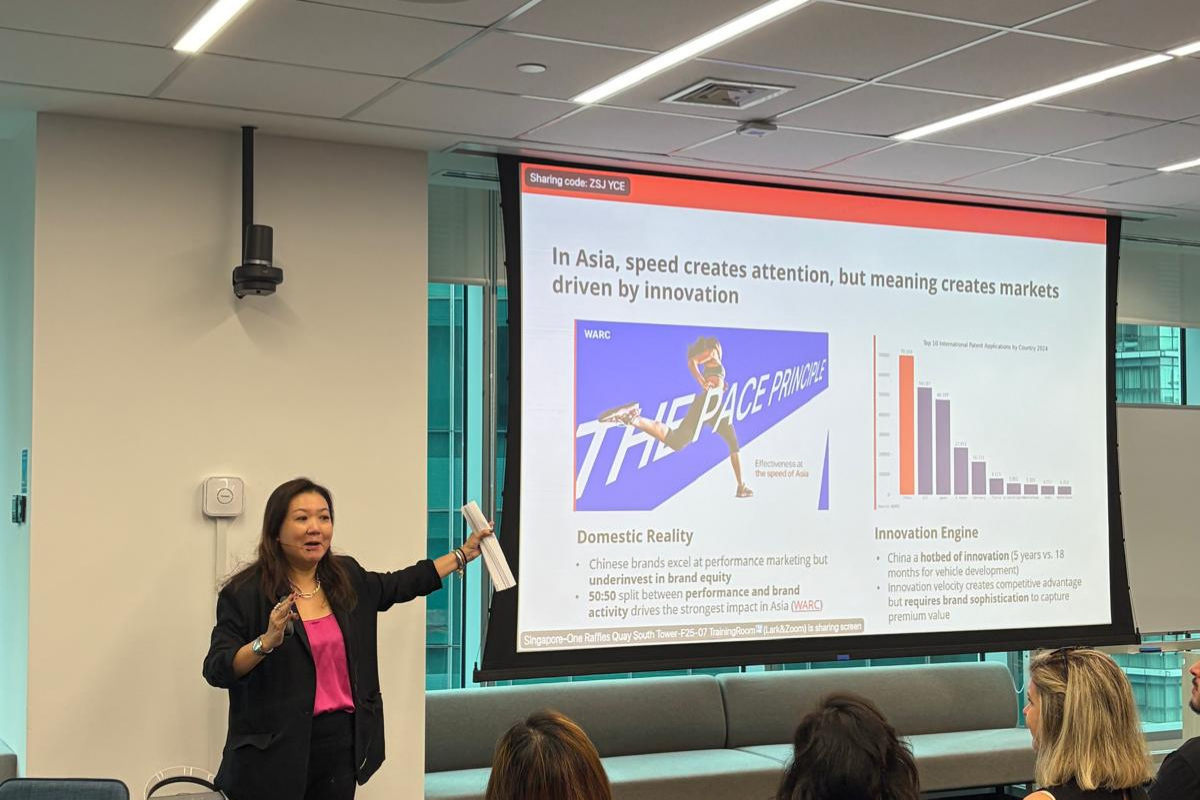
Value-Velocity brands like BYD compress development cycles by 70% versus Western timelines. When you’re stuck in development committee meetings, they’re already shipping.
Innovation Export brands like MINISO don’t sell products. They sell belonging.
Local Resonance brands like ANTA operate as “startups with billion-dollar backbones”. 20 people in Beverly Hills, 20,000 in China.
The fourth model is the most evolved and represents both threat and opportunity.
Chu Hai With Soul: The New Outbound Playbook
Chu Hai means "go to sea” in Mandarin, and what I call "Chu Hai with Soul” brands combine Chinese innovation velocity with Western brand discipline, creating customer promises that cascade from cultural meaning to pricing power.
These brands have mastered cultural choreography, orchestrating broad ecosystems of meaning rather than targeting demographics alone.
Haier, the world’s number one appliance brand, drives international revenue through localized innovations like solar-powered air conditioners for Pakistan. Li-Ning’s “Guochao” aesthetic travels globally because the national pride it captures resonates with universal desires for authenticity, achieving parity with Adidas in China brand health.
Here’s why these matters: Chinese marketers perceive what Western brands forgot. Today’s consumers, especially younger audiences, crave authentic cultural connection over perfection. The “objectively ugly” became phenomenon not despite flaws but because of them.
Where Western brands target personas, China’s best orchestrate cultural ecosystems.
The Data You Can’t Ignore
China’s domestic economy undoubtedly faces headwinds; 4.8% Q3 growth versus 5.2% in Q2, weak consumer spending. Yet Chinese brands aren’t panicking. They’re pivoting systematically to international markets.
The 2025 Kantar BrandZ report shows China’s Top 100 brands surged 25% in value to $1.2tn. Thirty-six Chinese companies went public on the NYSE in H1 2025. JD.com Chairman Richard Liu: “International expansion is paramount.”
Overseas sales represent 20% of Chinese automotive revenue but nearly half its earnings, per UBS. This pattern repeats across categories.
What can Global marketers Learn and Action?
While many Western marketers are grappling with AI transformation, the Chu Hai stampede is already reshaping competitive dynamics beneath your feet. The response isn’t copying. It’s synthesis, and here’s how.
This Month
Audit your brand against these four models. Where are you vulnerable to cultural choreography?This Quarter
Map markets by cultural tensions, not demographics. Chinese brands see ecosystems. You see segments.This Year
Build rapid iteration without sacrificing emotional brand building.Chinese brands mastering cultural intelligence already lead expansion into Southeast Asia and Latin America. Western markets are next. The winners will combine Chinese speed with authentic local connection.
While diplomats haggle over tariffs, Chinese brands continue to negotiate directly with your customers through culture, meaning, and connections that transcend price and features.
Western marketers ignoring this shift risk being outpaced by brands armed with China’s new playbook, one that treats technological advancement as industrialized, continuous production itself.
Here’s 6 key learnings that you can take away and action:
• Speed + Soul: 18-month development cycles with brand-purpose integration
• Cultural Codes: Modern “guo chao” that travels globally
• Purpose as Operating Model: Not CSR, but as business foundation
• Product Romance: Great products need great stories
• ESOV Strategy: Attention-adjusted share of voice as guardrail
• East Meets West: Collaborative innovation over divided competition
Those who study, adapt, and synthesize will see that cultural intelligence isn’t just Chinese advantage. It’s the future of global brand building.
This Lunar New Year, as China transitions from catching up to setting benchmarks, the question isn’t whether you can stay ahead of the Chu Hai stampede. It’s whether you’ll learn to ride it before your customers are carried away. Perhaps it is time to “lead with soul, connect with culture and measure/experiment with brand science” at scale.