With attention fragmented and trust in an increasingly fragile state, growth is harder to manufacture than ever.
The brands pulling ahead are not spending more - they are embedded in culture.
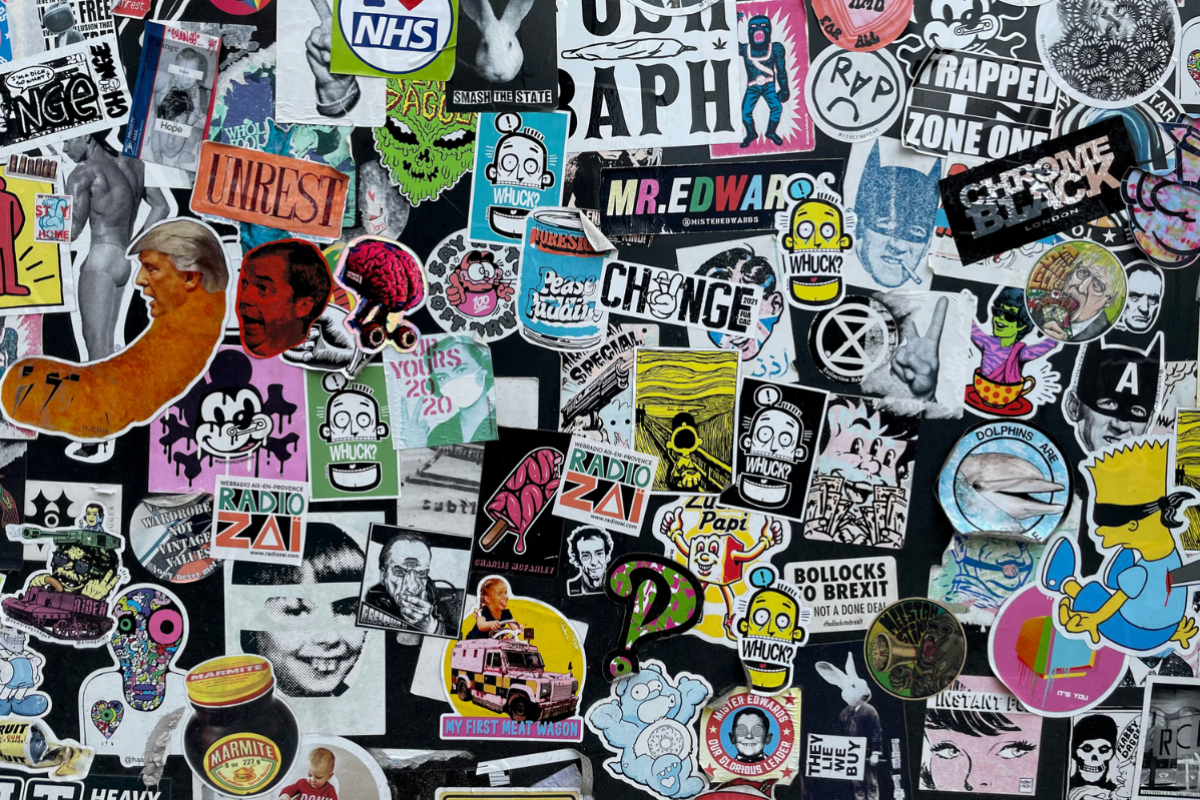
Attention no longer lives in ad breaks. It lives in fandom, memes, WhatsApp groups, music drops, social feeds and communities where meaning is created and shaped in real time. Younger audiences spend more time with social and user-generated content than with TV (Deloitte 2024 Digital Media Trends Report). Influence flows through these spaces.
If you want attention, you must earn it inside culture.
Culture Is Where Relevance Lives
When brands understand culture, they stop looking like advertisers and start acting like contributors.
Participation matters because trust drives growth. Most consumers say they are hesitant or unwilling to trust anyone who doesn’t share their values or approaches (Edelman 2026 Trust Barometer). As the saying goes, trust is built in drops and lost in buckets. For brands, trust isn’t built through frequency - it’s through relevance and credibility.
Cultural Fluency is a Growth Lever
When brands have the cultural foresight to operate at the intersection of fashion, sport, music and entertainment, they unlock compound value. A single moment can drive earned media, search demand, social conversation and product sales all at the same time.
In the multi-hyphenate era, cultural impact rarely sits in one lane.
Take the Marty Supreme rollout, A24 and Timothée Chalamet turned film promotion into a sustained cultural engine. Premieres doubled as fashion moments, social edits fed meme culture and commentary pushed people to search, shop and share. It wasn’t just noise; it showed up in the numbers. The Marty Supreme jacket drove a 340% spike in related searches and lifted the entire retro sportswear category by 45% (Accio). An 18-minute leaked Zoom call parody became its own viral artifact.
When Wuthering Heights returned to cinema, brands stepped into the moment around it. Airbnb partnered with the production to offer stays in Cathy’s bedroom set, turning fiction into a real-world Yorkshire experience, generating buzz across travel and social platforms. At the same time, Aspinal of London launched a capsule collection inspired by the film’s aesthetic.
These weren’t random brand tie-ins. They were deliberate moves to participate in a cultural moment in ways that felt organic, timely and commercially relevant.
Culture Is a Capability, Not a Campaign
Culture is predictive.
Emerging creators, new entertainment formats and shifting communities often signal behavioural change long before it appears in sales data. Brands that recognise these signals move early. Brands that don’t are forced to react.
But driving culture isn’t simple.
It spans talent, partnerships, IP, media, creators, product and distribution. It requires knowing which moments matter, which voices carry influence and how to translate relevance into commercial return. It demands speed without sacrificing credibility.
Most businesses weren’t built to operate this way.
Culture doesn’t sit neatly within media, social or PR. It cuts across marketing, brand, product, partnerships and commercial strategy. It requires access, relationships and fluency in entertainment and cultural ecosystems that move fast and reward authenticity.
The brands that lead treat culture as infrastructure.
They create operating models designed to recognise, interpret and leverage cultural signals. They treat partnerships as long-term assets. They see creators as collaborators. They approach culture as a growth engine.
Culture isn’t something you visit when you need attention. It’s something you build the capability to navigate consistently, credibly and in real time. When that fluency becomes embedded, it stops being a tactic and becomes a competitive advantage.
As articulated by my colleague Christopher Vollmer in Fortune following the Super Bowl:
Culture ignites attention.
Content sparks participation.
Creators accelerate credibility.
Commerce validates relevance.
Communities amplify meaning - and the cycle repeats.
This is the new growth engine.