How rare it is - after several decades of both attending and speaking at conferences of many different types and topics, all over the world - to emerge from yet another event with nothing but positive sentiment and feedback.
2026 was my first time at Anthropy. I chose to attend, not because I knew of its well-deserved excellent reputation, but because the agenda highlighted, perhaps more than any other subject, discussions about the various facets of the current crisis in trust.
As I explained in a recent think piece for The Marketing Society, I've spent the last year researching trust in journalism and the wider information ecosystem, in preparation for the launch, late last year, of the Authentitas platform, of which I'm a co-founder and CSO.
Faces before badges
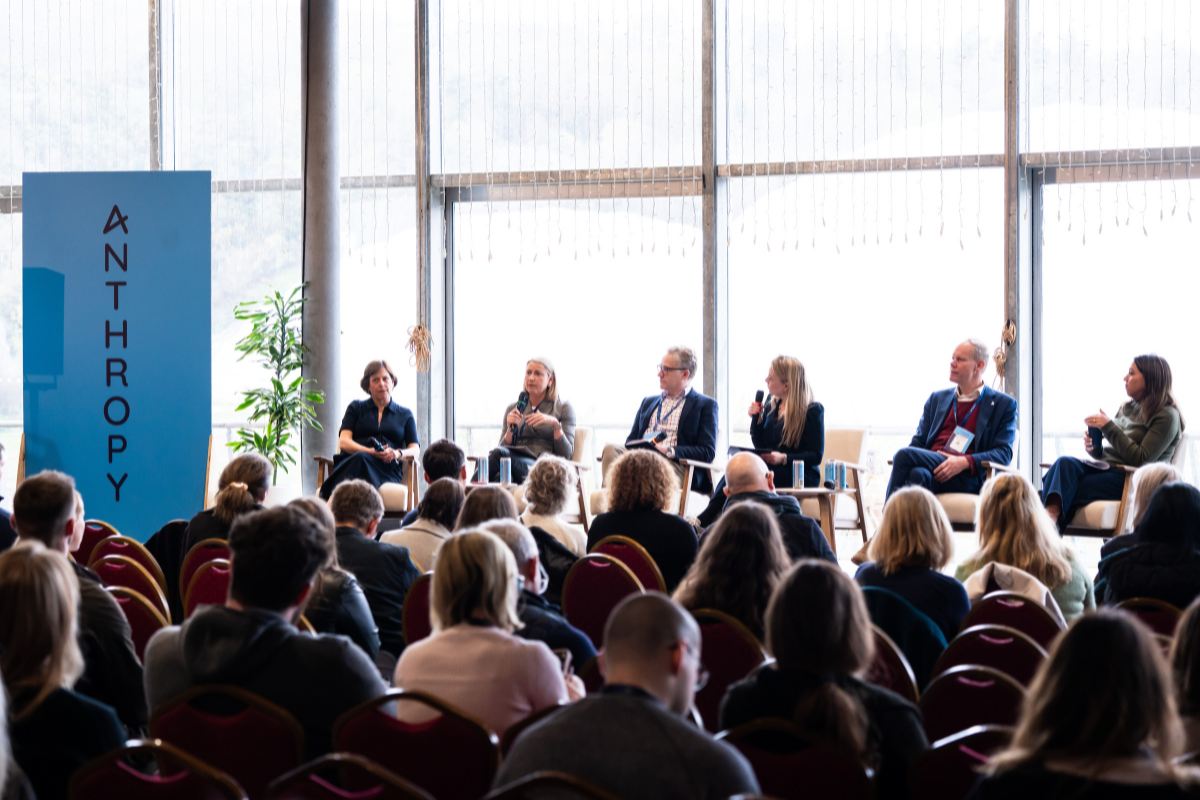
So my experience of this year's conference was largely through that lens. But this brings me to a particularly special Anthropy takeaway - not only were the speakers and panellists of the highest calibre and credibility, so were all the delegates I came across.
Almost everyone, as they met and talked with new contacts, looked at faces before they clocked badges. As one might expect from that startling and promising start, many fascinating, intelligent and passionate conversations followed. My own hope was to capture some coalface responses, from whoever I came across, to our mission with Authentitas - to defend journalism from the current plague of disinformation. To my great relief, all went well with that.
Concern but not clarity
However - and I believe this is in line with Anthropy's own mission - I also came away with a couple of sharper concerns. First, while without exception everyone I spoke with expressed deep concern about the accelerating growth of disinformation, hardly anyone has a clear picture of how it works, who's driving it and why, and its pernicious effects on today's and tomorrow's world. This is, from here on, about much more than an occasional - disturbing or vaguely amusing - deepfake.
Big names, bigger targets
Second, while the leading journalists who spoke at the event - representing many familiar and highly reputable brands - spoke with expertise and clarity about the crisis in trust and their respective opinions and responses, one common misconception was shared by all.
Powerful brands - institutional or personal - are no defence at all against disinformation campaigns. To the contrary, for reasons that become obvious on reflection, they're the most attractive targets for bad actors. These critiques aside - and if anything they support rather than undermine the remarkable quality of the event - this year's Anthropy was an immensely satisfying and valuable experience. I fully expect to be back next year.