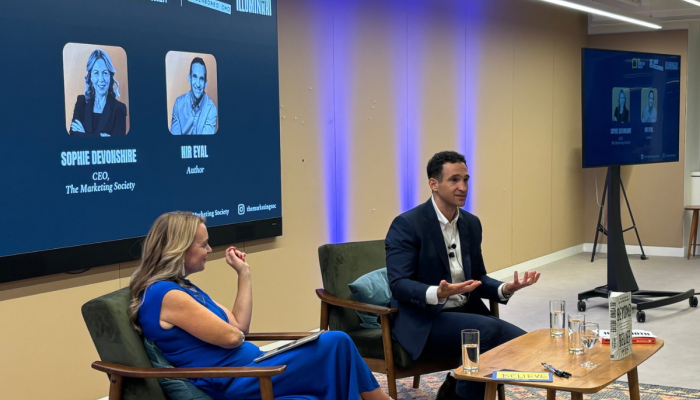
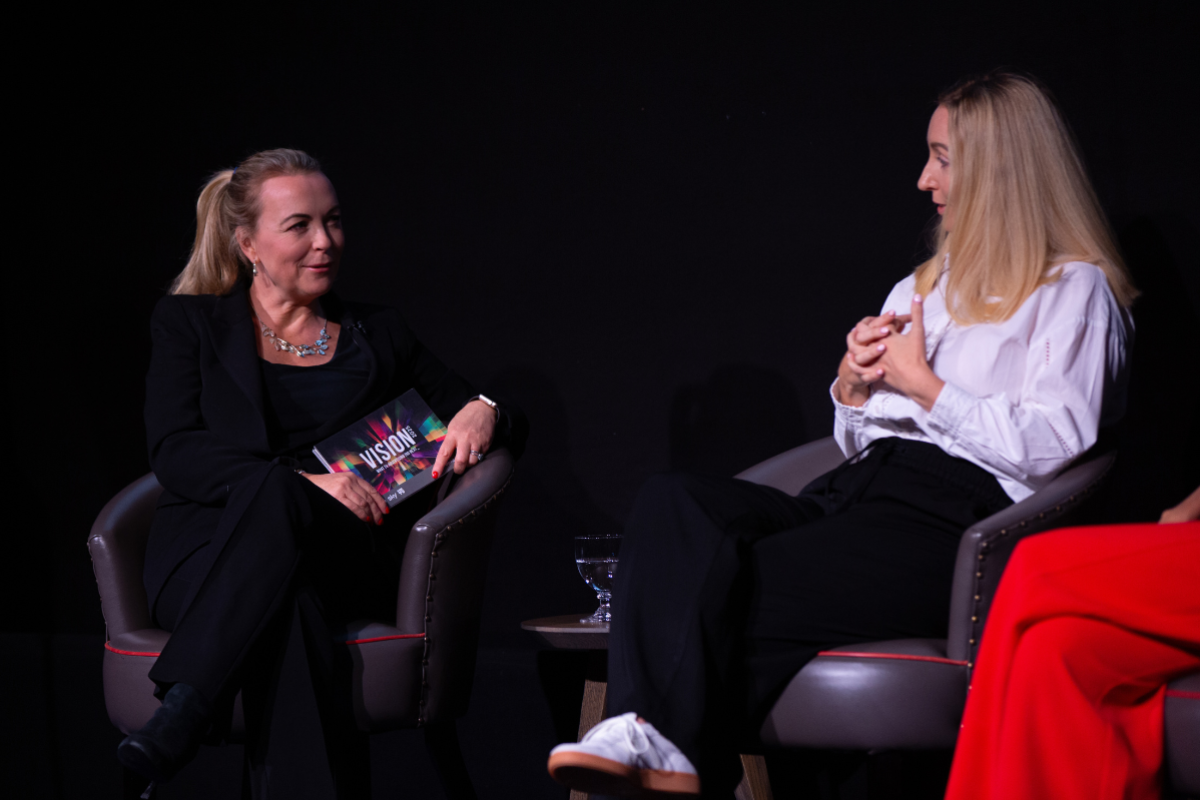
The television advertising landscape has changed dramatically, yet some fundamentals remain constant. In a candid discussion as part of Thinkbox’s Vision 2025 summit Sophie Devonshire, The Marketing Society CEO spoke to two marketing leaders from very different brands who shared how they're navigating the balance between creative boldness, brand heritage and measurable results.
Sarah Graham, Advertising, Media & Brand Lead at Warburtons and Georgina Bramall, giffgaff’s Marketing Strategy Director offered a masterclass in making TV work harder in an era of fragmentation, short-termism and digital distraction. Their insights reveal why humour, storytelling and strategic clarity matter more than ever.
5 Key Points from the Session
Product-first thinking beats celebrity-first
There's a common misconception that brands like Warburtons start with the celebrity and work backwards. The reality is the opposite. Sarah Graham was clear: "It's product first, message first, story first, and then who would be the best possible person that we could get to fit that script." This approach means if the right person isn't available, they start over rather than compromise the story. The Olivia Colman crumpets campaign demonstrates this perfectly, wall-to-wall product visibility wrapped in an entertaining narrative.Creative platforms provide strategic longevity
Both brands emphasized the importance of building sustainable creative constructs rather than one-off campaigns. Warburtons has maintained the same creative framework for over a decade: someone pitches an idea to chairman Jonathan Warburton. This consistency provides brand continuity while allowing creative freshness. giffgaff faced the opposite challenge - too many messages competing for attention. Their solution was developing the "Are you on giffgaff or something?" platform to unite multiple brand benefits under one memorable hook.The humour versus weird tightrope
Getting humour right remains one of advertising's toughest challenges. As Sarah noted, "Humour is subjective. When we start reviewing a script, we don't always all agree on if a gag is funny." The risk of playing it safe, however, is creating neutral, dull work. Georgina described giffgaff's particular challenge as a smaller brand: "We walk this super fine line between engaging and bringing humour, but not looking a bit odd and weird." The goal is accessible humour that becomes part of everyday language, something people reference with friends.TV enables pricing power and mainstream credibility
The business case for TV extends beyond awareness metrics. Sarah identified three key measures Warburtons tracks: top-of-mind awareness, being seen as best quality, and crucially, being seen as a fair price. "Because we're a brand, we have a slight price premium, so being seen as a fair price, reducing price sensitivity" - this pricing justification often gets overlooked in discussions about TV effectiveness but proves vital in boardroom conversations. For giffgaff, TV provides something their digital-first model can't deliver at scale: reassurance and mainstream credibility.Test, learn and stay agile
Despite the importance both brands place on TV, neither approaches it with a set-it-and-forget-it mentality. Georgina emphasized that giffgaff maintains a ‘healthy test and learn pot’ to experiment with new channels and approaches. Even post-launch, both brands refine based on data. Warburtons uses System One testing only after campaigns go live, then makes adjustments. When some outdoor executions showed people couldn't instantly recognize Samuel L. Jackson, they removed those shots in the next rotation.Beyond these specific insights, three broader principles emerged from the conversation that any marketer can apply to their own TV strategy, regardless of category or budget size.
Three Key Takeaways
Fragmentation is opportunity, not just obstacle
While fragmentation makes reaching audiences harder, Georgina reframed it positively: "Fragmentation is an opportunity. We're all consumers. We're all accessing things in different ways." Rather than lamenting the death of mass reach, successful marketers stay current with how people consume media and adapt accordingly. The key is understanding which channels deliver the attention longer-form storytelling requires versus which work better for frequency and reminders.Three criteria for creative approval
Warburtons applies three golden rules when reviewing creative work: Is it funny? (Does it make you laugh, release endorphins and make people feel good about the brand?) Does it tell a story? (Humans are hardwired to engage with narratives.) Does it feel right for the brand? (For a family-owned business, this authentic alignment matters.) These simple criteria provide clarity in subjective creative discussions.Internal education remains critical
Both marketers face internal sceptics who ‘don't watch TV anymore’ and assume nobody else does. Sarah's response is instructive: bring in the experts with data. “We would probably go to Thinkbox and ask if they can chat to the team and share the data and the truth that actually, TV is still very much a media channel to back.” Facts combined with compelling storytelling overcome feelings-based objections.Understanding what works is valuable, but only if you act on it. Here are two practical steps you can take immediately to strengthen your own TV advertising approach.
Two action items
to take from this
Develop your creative construct, not just campaigns
Review your recent advertising. Are you creating one-off executions or building a sustainable platform that provides consistency while allowing evolution? Define the repeatable elements that can anchor your brand communications for years while keeping creative fresh. This strategic framework should come before casting decisions or production discussions.Audit your measurement for pricing perception
Beyond awareness and consideration metrics, examine whether your advertising investment is helping justify your pricing position. Add pricing perception and value-for-money tracking to your effectiveness framework. This data strengthens the business case for brand-building investment when facing pressure for short-term digital spend.If there's one comment from the whole of this session that perfectly encapsulates the philosophy driving both brands' success with TV advertising, it's this observation from Sarah Graham about the real risk marketers face today.
"I think that the risk for us not striving for humour and emotion, is that we're creating work that is dull and has a neutral response, which is the one things we're all looking to avoid."
Sarah Graham, Warburtons
In an attention scarce environment, neutrality is failure. The calculated risk of humour and emotion beats the inadequacy of playing it safe. Both Warburtons and giffgaff prove that getting this right, supported by strategic clarity and continuous learning, makes TV advertising more powerful than ever.