The Marketing Society’s October 2025 Conference in Hong Kong was all about change, and the mood was definitely urgent. There wasn’t a lot of fluff or theory. The speakers jumped right into sharing how to lead marketing transformation in an environment of evolving tech, global economics and generational change.
Martin Sorrell's Take on Tech and Economic Opportunity
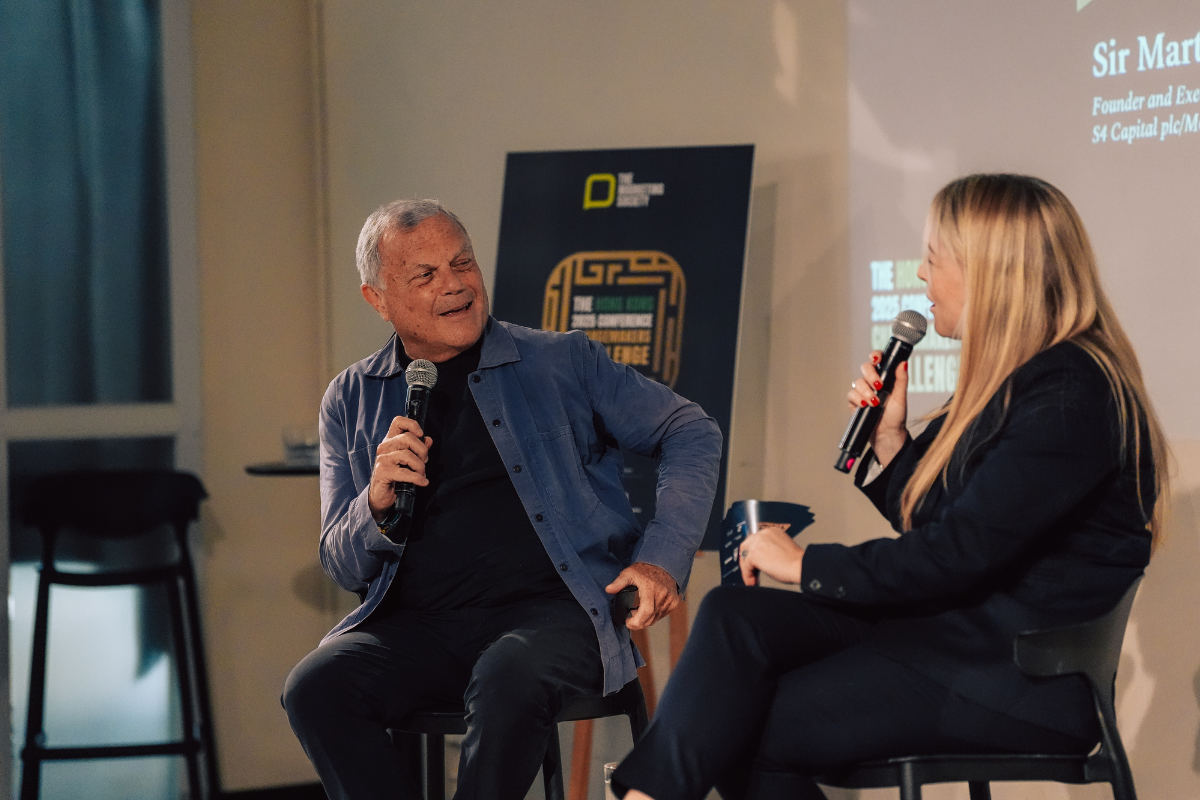
Sophie Devonshire's opening dialogue with Sir Martin Sorrell set the tone for the day. His headline: adopting technology isn't the real barrier to innovation, it’s getting humans to work differently. Sorrell shared the comment "Change management sometimes requires a change of management," a wry way of summing up what so many companies need to do to move forward.
As usual Sorrell also had a clear 33,000-foot view of economic opportunity. With global growth limping along below 3%, he's placing his chips on the US economy and "New Asia" (Vietnam, Thailand, the Philippines). Europe? A consolidation play at best. The commercial mandate is radical efficiency, and the winners will be those who've mastered data and distribution rather than simply acquired the shiniest tools.
The CMO-to-CEO Pipeline
Randy Lai, who rose from working in a McDonald’s restaurant, to CMO, to Hong Kong CEO, shared her experience as a model for ambitious marketers. Her thesis: everything you do as a CMO such as obsessing over audiences, stewarding brand narrative, and wrangling cross-functional teams is precisely what running an entire company demands. The difference is scale, not skillset.
The CMO’s obsession with audiences remains as CEO, except now your "customers" include franchisees, investors, and employees. Brand building is elevated to corporate strategy. All those years wrestling with Product, Sales, and Finance to launch campaigns is excellent management training. The CMO role, Lai argued, has evolved far beyond communications - it's now the most rigorous preparation for the corner office.
Legacy Meets Disruption and Both Learn
Grace Chan moderated a session bristling with productive tension. The CEOs of fintech disruptor WeLab Bank (Tat Lee) and 130-year heritage brand Lee Kum Kee (Eric Lin) explored how challengers must learn that consistency builds trust. And legacy brands must embrace technology's urgency. Neither can afford complacency, and both can steal from each other’s playbooks.
Uncomfortable Truths Made Us Think
Lars Maehler from Publicis Groupe issued a provocation: if your first instinct with AI is "how much can this save me," you've already missed the point. AI is a creative multiplier, not merely a cost-cutting exercise. The question isn't how many people it replaces, it's what new experiences it enables.
Johnnie Leung from The Trade Desk cautioned against businesses’ focus on vanity metrics. It’s a risk to measure the easily measurable (such as click through rates) and lose sight of the value of brand building that matters, but which is less immediately trackable.
And Andreas Krasser's Pecha Kucha -- 20 slides, 20 seconds each – challenged marketers to explain their strategies in six rapid-fire slides. If you can’t, it's probably too complicated to execute.
The Heart of the Matter
The Splash Foundation session reminded us why we bother with any of this. Joy Gabotero's journey from participant in the swimming program to Manager revealed a side of purpose-driven marketing at its most authentic. Purpose not as a PR exercise, but as part of the DNA of the organization.
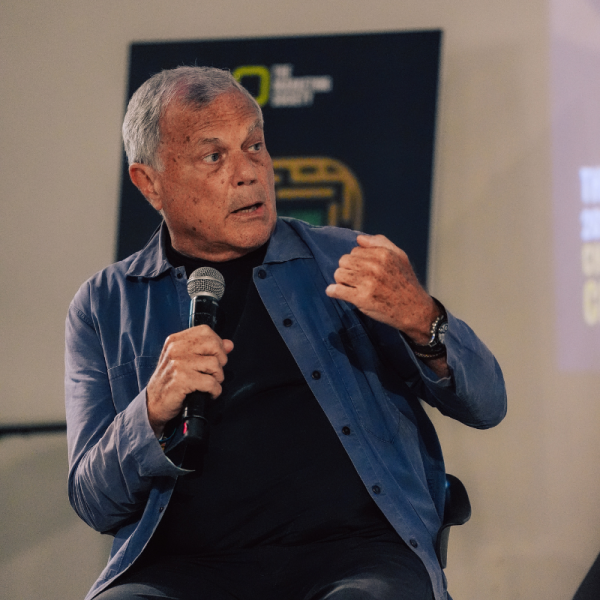
"The biggest roadblock to innovation isn't the technology - it's Change Management."
Sir Martin Sorrell