Think piece

Culture as the Starting Point: What It Takes to Win in Asia

By Elodie Guigues

Average reading time: Reading time 4 minutes

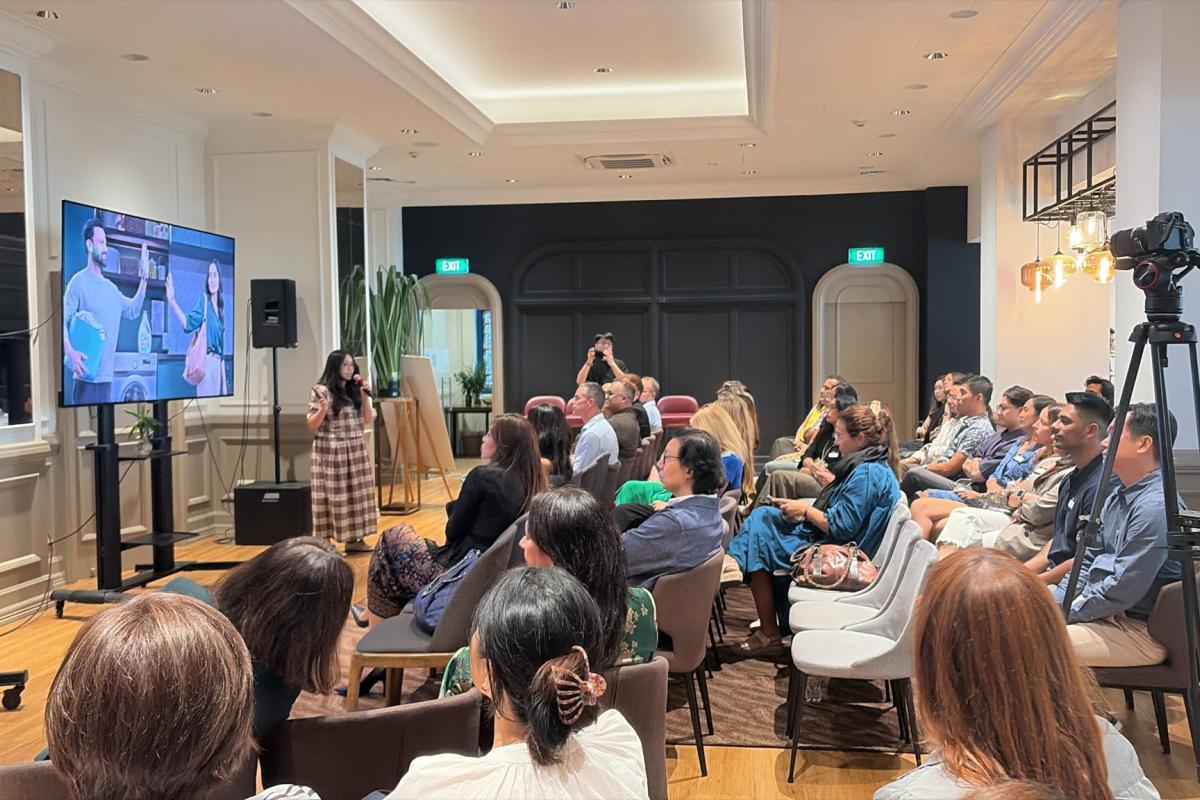
A keynote presentation at The Marketing Society's Localised Rebellion member experience

Winning in Asia takes more than surface-level localisation or market-by-market adaptation. It asks global brands to show up with real meaning and credibility in each market, and it gives us a chance to take what we learn in this region and shape thinking globally. These takeaways draw on The Marketing Society’s Localised Rebellion: How Brands Win in Asia experience, exploring what marketers can learn from the discussion to build stronger brands across the region.

Here are five principles that can help regional marketers build brands that are both globally strong and locally relevant.



5 Key Points

Be locally intelligent, not just globally consistent

The ambition is a brand that is globally coherent while also being culturally relevant and flexible enough to evolve market by market. That starts with understanding people's beliefs and habits, what matters to them emotionally, the dynamics of adjacent categories and the tensions specific to each market. It also means accepting that Asia is not one market. Some places look alike from the outside but have very different cultural dynamics, which is why local teams are so critical. They understand those nuances and can get the execution right the first time.

Treat culture as a creative source

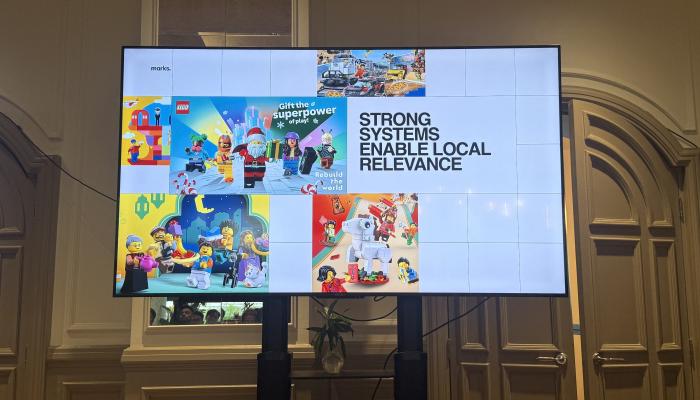
Culture works best as an input to brand ideas, innovation and product development, rather than a filter applied at the end as an afterthought. Instead of adapting a global idea so that it fits a local culture, we should start from the culture and let it lead us to a better idea. Sophia Wee, Creative Director at Marks APAC, shared some inspiring examples. Ariel in India started from the cultural role of women and household dynamics, and LEGO Friends came from asking how the brand could become more relevant to girls.

Speed matters

Asia brings different consumer behaviours, varying levels of category maturity, multiple channels and ecosystems, and local competitors who keep rewriting the rules and launching new innovations all the time. Spotting cultural signals early, and building the capabilities inside our organisations to turn those signals into action quickly, is now a requirement for winning.

Move from brand guidelines to brand systems

A guideline that lives in a static PDF struggles to keep pace with this reality. A better approach, shared by Tingyi Yuen, Senior Strategist at Marks APAC, is a "fit and flex" system. The system spells out what must stay consistent (brand DNA, core equity, iconic assets) and what can flex (cultural expression, creative execution, fragrances and so on). The purpose is to protect what makes the brand unique and iconic while leaving enough room for adaptation, with local teams fully in charge of that part because they know it best.

Build two-way loops between local and global

The old flow of global creating and markets executing must give way to something more circular: markets learn and feed back to global, ideas evolve, markets adapt, and the learning flows back again. Local teams are a source of consumer insight, cultural intelligence, innovation and creative inspiration, and in Asia new behaviours often emerge at speed. That makes it worth building structures that encourage this feedback loop and keep it moving fast.

3 Takeaways

Culture is the starting point

Winning in Asia is not about exporting a global idea and making it local. It is about understanding what truly matters to people, earning relevance, and using culture as a source of creativity for better innovation.

Systems beat rigid rules

Protect the brand DNA and iconic assets, and give local markets enough flexibility to make the brand matter in their context.

Learning has to travel both ways

The organisations that win will be those with the speed and the feedback loops to turn local signals into global ideas.

2 Action Items

Run a "fit and flex" audit of your brand guidelines

Sit down with your global and local teams and list what is genuinely non-negotiable and what is open to local expression. If the boundaries are unclear, or the non-negotiables list runs long, it is worth revisiting. The goal is to protect the brand DNA while allowing the brand to adapt to local realities and nuances.

Trace one local insight from market to global

Pick a recent insight from one of your markets and follow how, or whether, it reached the global team and influenced a decision. If you cannot find the path, you have found the first gap to fix.