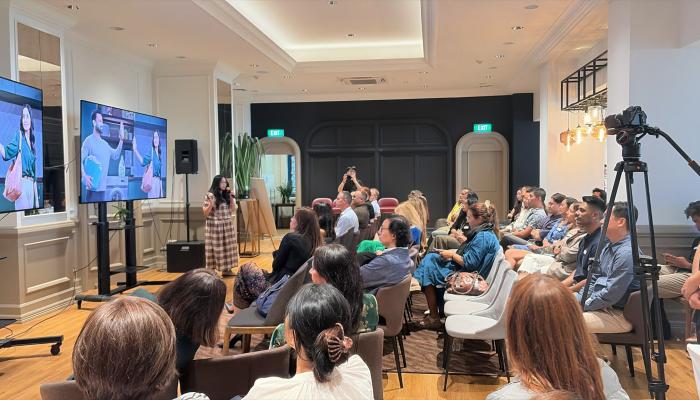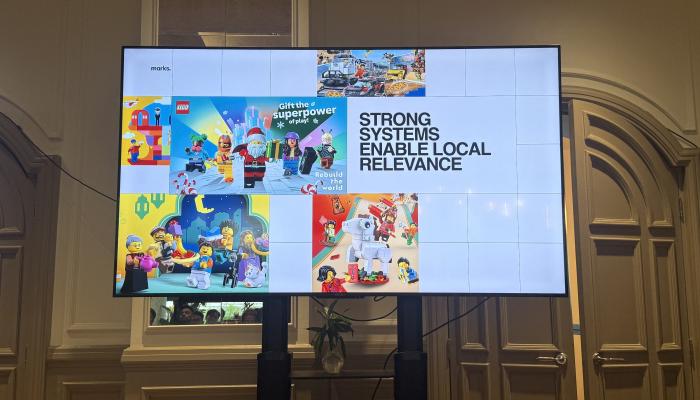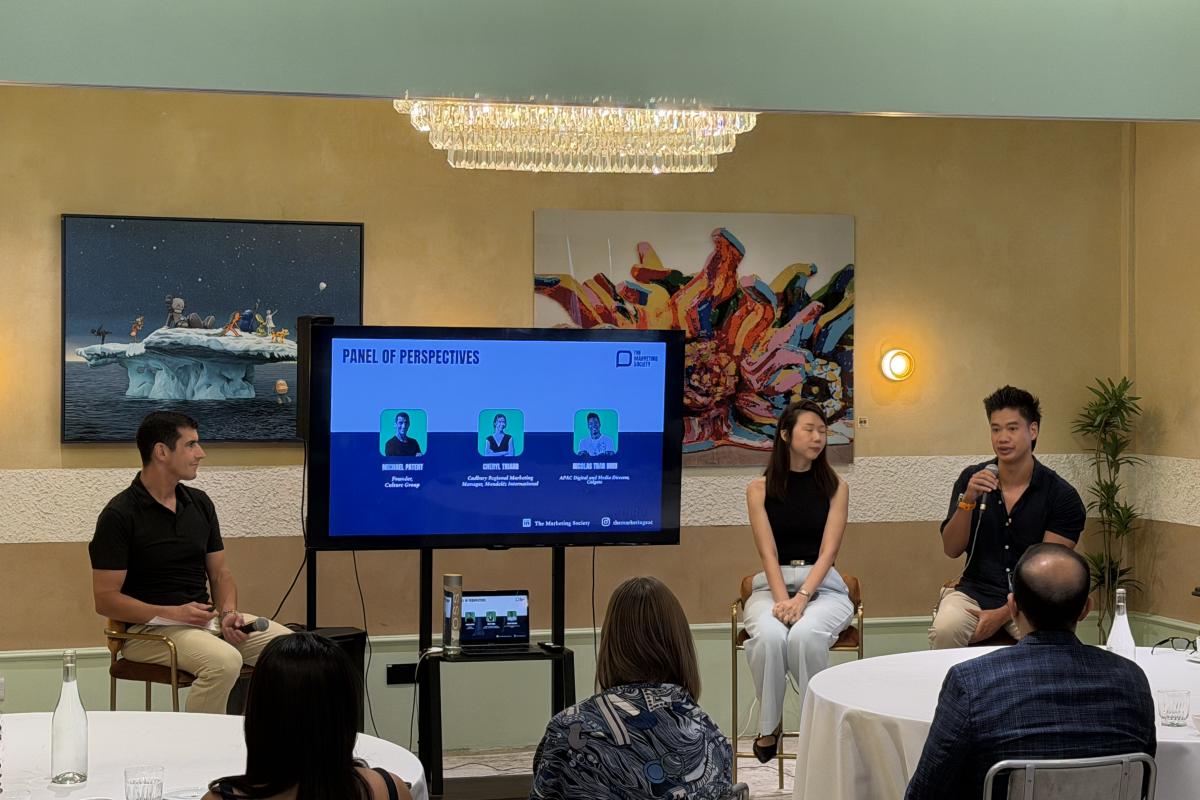
At The Marketing Society breakfast with Culture Group, we talked about why so many brands talk about culture but so few manage to act on it effectively. Here's what I took away. Five principles for building cultural readiness, a quick way to score your own organisation, and two things worth doing before your next planning cycle.
Why are brands so slow to show up in culture?
Culture now moves at the speed of a group chat, while most of our organisations still move at the speed of a procurement process. By the time a brief has been through legal, finance, regional and the CEO's teenage daughter, the meme and moment has usually gone.
The numbers Culture Group shared back this up. In the Dentsu Creative CMO Report 2025, 88% of CMOs said they need to win a share of culture, but 81% said there aren’t enough tried-and-tested examples of how to do it. And 82% find partnering exciting yet worry about giving up control, up 16 points on 2024. So the desire is clearly there. What’s missing is confidence, and the organisational muscle to back it up.
Culture Group’s definition really stuck with me. Cultural readiness is your ability to earn credibility within cultural territories, repeatedly. It’s a discipline you build over time rather than something you can buy with a single campaign.
What does cultural readiness look like in practice?
Know when to stay out
Restraint is a capability in its own right. The Straw Hat flag from One Piece, the world's best-selling manga, has turned up in Gen Z protests from Indonesia to Nepal. If your brand's only reading of that fandom is "it's huge", you could walk straight into something you don't understand.Earn permission before you pick a partner
Securing the IP isn't the goal; credibility with the fans is. Headlines, trend reports and the "corridor check" only show you the tip of the iceberg. The beliefs, rituals and etiquette that really define a community sit below the waterline, and you only reach them through proper listening and immersion.Bring something to the table
Good cultural work is additive rather than extractive. Pinterest's phone-free space at Coachella had people writing postcards that were later posted back to them as time capsules. It gave fans a small, memorable experience instead of another logo to scroll past.Follow the cultural wallet
Look at what fans actually spend on their passions. A music fan's wallet covers far more than albums, stretching to concert outfits, flights, hotels and memberships. Those spending patterns tell you what matters to people and where your brand could be useful and truly engaging.Plan to the culture's calendar, not yours
Every IP runs on its own cycle. An anime series can spend 12 to 24 months in production before six months of promotion, a music single might get four to eight weeks of build-up, and mobile games refresh roughly every three months. If you start planning when the trailer drops, you've already missed it.How ready is your organisation?
Culture Group also walked us through their Cultural Quotient, eight statements scored across intelligence, direction and activation. It places you somewhere between "Culture Curious" and "Culture Champions", and it's a great introspective and a useful prompt for an honest conversation with your leadership team.
The quote to remember for me was “Brands that win in culture aren't luckier or necessarily braver. They decided ahead of time to be ready."