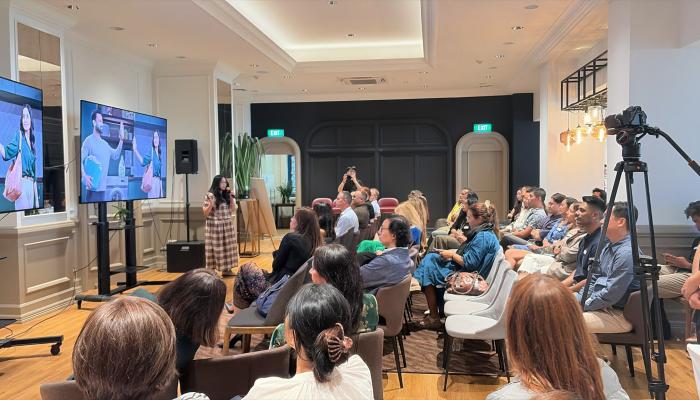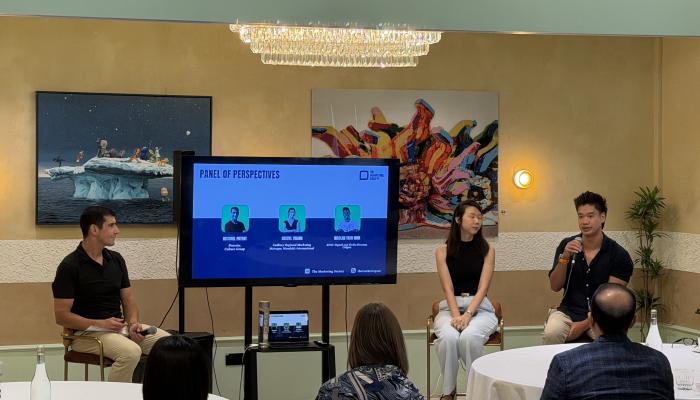
How much influence do local teams really have over a regional campaign? It's a question most of us have faced at some point, and it sat at the heart of The Marketing Society's Localised Rebellion: How Brands Win in Asia. This piece explores the difference between asking people in-market to adapt an idea and giving them the chance to make it better.
Localisation that starts at the end has nothing left to shape
For years, we have treated localisation as the final mile of marketing. The result is work where the language is right and the cultural cues are there, but you can still feel the original brief lingering underneath.
Local teams usually know what won't land with their audience. The trouble is that by the time the work reaches them, changing anything substantial means reopening decisions that have already been signed off.
The session made one thing clear: the brands winning across Asia are reversing the order. They're letting local behaviour, culture and context inform strategy from the outset, so relevance is built in rather than bolted on.
Local insight is the missing piece
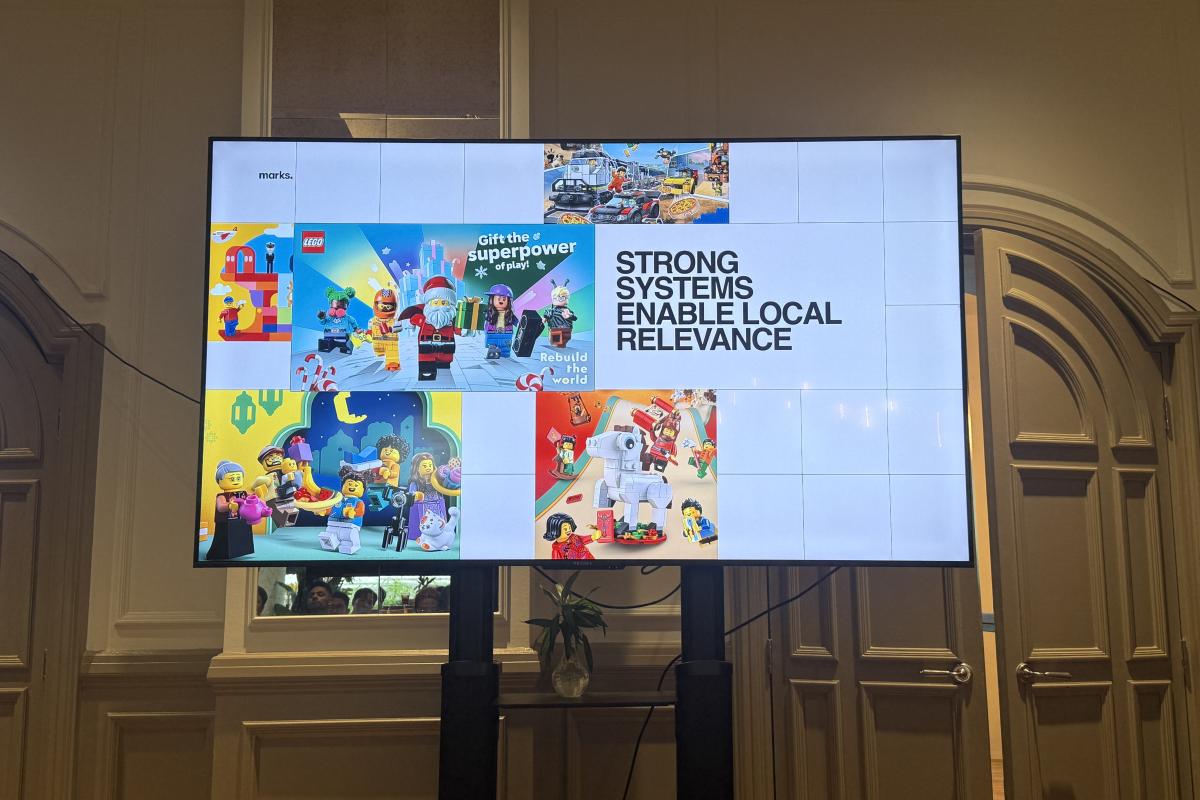
The standout example for me was LEGO Friends in Japan. Rather than translating the global marketing and giving it a Japanese wrapper, LEGO let local insight shape the experience itself. That meant everything from food and play cues, to how the sets fit into smaller Japanese homes.
The learning didn't stay in Japan either. It fed back into how the wider franchise thinks, which is what happens when culture is treated as information rather than decoration. It's proof that the best local teams aren't translation departments, they're intelligence networks.
Consistency depends on knowing what can flex
Giving markets more influence doesn't mean asking each market to reinvent the brand. We talk about this a lot at MASH because embedded teams only work when there is freedom within a framework. Putting somebody on the ground doesn’t magically create localisation.The job is to be extremely clear about the things that must remain consistent and which decisions local teams are free to make.
One line from the afternoon summed it up perfectly for me: "Consistency does not have to mean sameness." It frames a strong brand core as something that gives local teams confidence, rather than something that holds them back.
Listening to local teams takes design
This is where the conversation felt closest to home, and where it becomes a bigger organisational question. Our teams are embedded in markets across APAC, which means they pick up conversations, behaviours and small cultural shifts long before they appear in a regional report. That proximity matters, but putting good people on the ground is only half the job.
The other half is building a route back. Most regional models are good at sending work outwards, but far less clear on how insight travels the other way. Feedback loops are what let a creator trend in Indonesia inform a regional brief, or an observation in Japan challenge an assumption in Singapore.
The room kept coming back to this idea: speed on the ground matters, but it’s wasted if their insights never reach the people doing the planning. Without that route back, valuable local knowledge stays local.
You can smell imported marketing a mile off
Audiences are quick to notice when a global idea has technically travelled but culturally hasn't.
Apple's 2024 Underdogs: OOO film is a prime example. Set in Thailand, it was pulled after Thai viewers felt their country had been reduced to a dated, stereotyped backdrop for a Western story. It was a polished piece that still missed how the country sees itself.
That's exactly the kind of reaction a strong in-market voice is there to anticipate. The fix isn't more sign-off layers. It's making sure the people closest to the audience have a clear, trusted way to be heard before the work goes live.