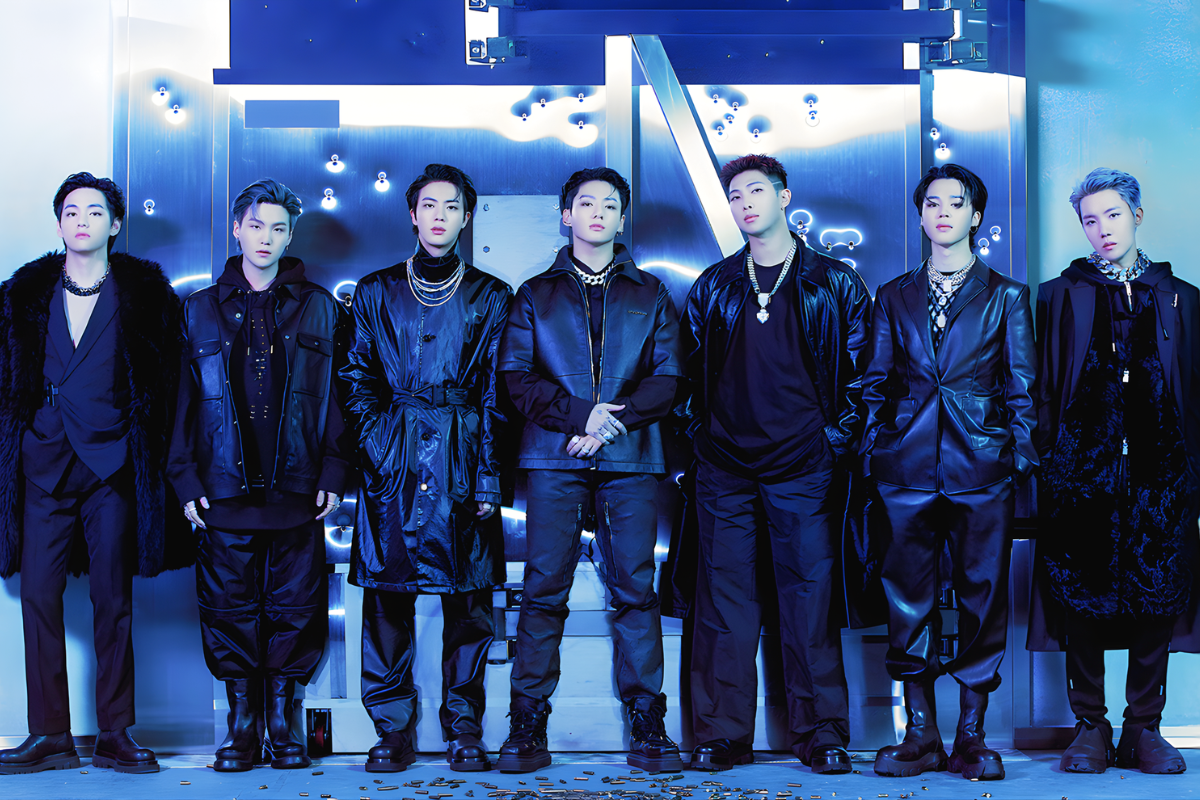
In less than a month’s time, BTS will be dropping their first comeback album in four years, followed by a world tour that will kick off in April and include 34 cities (and more to come) across APAC, Europe and the Americas. It’s projected to be a major tourism driver for all included stops.
In 2024, before the BTS reunion, HYBE recorded a 252% spike in concert revenue, with such events now accounting for 31% of the company’s total revenue. But the world BTS is returning to is different from the one they left in 2022. Can we all just pick up where we left off? After all, fandoms have changed. Some declare themselves retired and won’t stress over the ticket wars, while others say they’re ready to enlist the help of ticketing assistants for higher chances of seeing the group. Their fandom, ARMY, has evolved and matured, and the K-pop industry has globalised, which means brand collaborations need to do more to stand out.
Why is this important?
Last year, Billboard predicted that a new BTS album and tour could generate over $1 billion in revenue from concerts, merchandise and licensing, album sales and streaming over a 12-month period. It’s not hard to believe. Hotel prices have surged in Korea for the week of the tour’s first show. When ticket sales opened in January, stadium seats for the tour’s North American and European legs sold out immediately. And in Mexico, tickets for three concert dates were reportedly sold out in 37 minutes. BTS’ comeback is such a major cultural and economic force that governments are stepping in. Singapore’s tourism board is working with HYBE and online travel company Klook for the group’s four-night stop in the city-state.
What’s the behavioural shift?
K-pop is not what it used to be. Longtime followers, for instance, say they miss the less polished dance practice videos idols used to post and prefer them over the high-concept ones companies produce today. There also seems to be fewer ‘crack videos’ for groups, fanmade edits that were the bedrock of many a fandom - a shift fans akin to losing “ancient texts.” (Yes, it’s that serious).
"K-pop used to feel real, messy and intimate, the very same elements people are craving for now in the age of AI slop."
So why not bring them back? There’s also a larger conversation about K-pop losing its “Korean-ness” in recent years, as the industry’s biggest players all set their sights on expanding globally. This has led to decreased interest in South Korean followers and legacy fandoms from early adopters, like those in East and Southeast Asia. Circle Chart ranks popular songs and albums in Korea and found in its 2025 Mid-Year Report that total digital music consumption for the top 400 songs fell by 6.4% year-on-year. When compared to K-pop’s 2019 peak, the fall is much larger at 49.7%. Meanwhile, physical album exports to Japan, the largest overseas market for Korean albums, dropped 10.8% from January to October 2025, compared to a year earlier. Newer K-pop songs tend to have more English lyrics and adopt musical styles that are more palatable to a larger international audience. In a subculture built on community involvement, inside jokes and even its own lingo, longtime fans are now feeling left out.
What’s the key takeaway for brands?
So how do we bring the playfulness back? And what can brands do to earn fan trust? One way is to stop creating for fans and start creating with them. I don’t mean user-generated campaigns or one-off activations, but truly listening to fans and elevating them as their own kind of thought leaders. Subway Korea just enlisted EXO member D.O. as an ambassador for its new taco salad product, a move fans of the idol would know is a reference to his well-documented obsession with, well, tacos. This signals a deep understanding of the group’s lore and not a mere cash grab.
Another way is through scaling back on universality and going back to specificity. Though it’s not out yet, BTS’ upcoming album ARIRANG already hints at a return to Korean-ness. The name refers to Korea’s lyrical folk song Arirang, which UNESCO considers an Intangible Cultural Heritage of Humanity. According to experts, there are some 3,600 variations belonging to about sixty versions of Arirang. And novelist and TikTok creator Jin-woo Park describes it as a “living, breathing, cultural heritage that is constantly evolving with its people.” You could even say that it goes back to BTS’ own roots as a band. Before popular all-English tracks like “Dynamite”, “Butter” and “Permission to Dance”, they had songs like the rap line’s "Ddaeng" (땡) that features Korean instruments, mostly Korean lyrics and Korean traditional wear.
And that is The Truth, Untold.
Global strategic insights agency Canvas8 is the official culture partner of The Marketing Society Singapore. Exclusively for members in Singapore: get eight weeks of access to the cultural intelligence that helps you move with certainty, not guesswork. Members you will have been sent the link to access, email the team if you have not received it.