
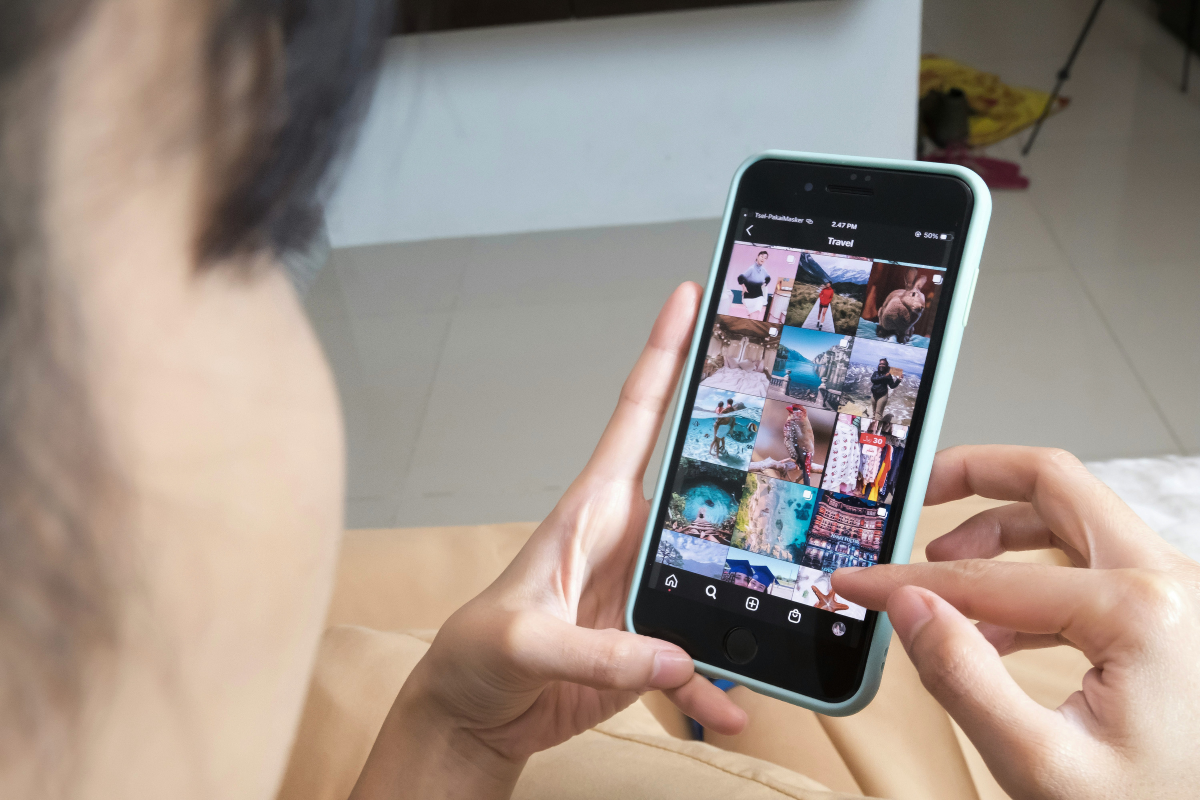
Gen Alpha isn't just "skibidi" slang and screens. With nearly half of Gen Alpha in APAC, these savvy digital natives are already influencing household spending and developing dreams for the future. To win them over, brands must bridge the gap between virtual play and real-world aspirations.
Nearly half of the world’s Gen Alpha are in APAC, which means it’s particularly important to understand this audience in this region. We unpacked this at the recent Canvas8 and The Marketing Society’s event Futureproofing Gen Alpha Culture, where senior brand leaders joined a panel alongside their own Gen Alpha children for an unfiltered exchange about how today’s youngest shoppers interpret brands, culture, identity and value. Sometimes, the only way to truly understand Gen Alpha is a good ol’ hang.
Why is this important?
It will take a few years before Gen Alpha runs major economies but they won’t have to wait long to make their own mark. In fact, they’re already influencing household expenses. According to Hilton’s 2025 Trends Report, 69% of APAC parents choose vacation destinations based on their children’s interests. Specifically in China, 98% of Gen Alpha and Gen Z contribute to their family’s vacation planning. But it’s not just spending that Gen Alpha is influencing – they’re also a lot more financially literate, with nearly half of Gen Alpha in APAC teaching their parents about new financial tools and 94% holding a financial account, Mastercard reports.
This is, in large part, because they’re ‘digital natives’, with technology linked to their lifestyles since the day they were born. In fact, 76% of Asian children regularly used a phone/smartphone in 2024, the second highest globally. “The biggest driver of early adoption [to financial literacy] is the blurring of the line between virtual reality and the real world and gaming technology has a significant role in this,” Ashutosh Awasthi, Director at Kadence International Singapore says.
On the popular online platform Roblox, for example, the younger generation uses the virtual currency Robux to buy everything from avatar items to game passes and access to premium content. With digital banks ‘gamifying’ their UX, they’re not all that different from what kids unconsciously learn during playtime.
"When a Gen Alpha comes across real financial tools, it doesn't feel scary or confusing. It feels like just another next level of game they've already been playing."
Ashutosh Awasthi, Director at Kadence International Singapore
What’s the behavioural shift?
Like every other generation, Gen Alpha is constantly evolving and, yes, maturing. For one, their seemingly incomprehensible slang (skibidi toilet rizz?) isn’t meaningless. Canvas8 research finds that Gen Alpha simply prioritises expressions and images over language and context but their concerns are just like ours when we were teens (still remember yours?) Perhaps the question we should be asking isn’t “What does it mean?” but “How does it make you feel?” Yes, Gen Alpha are digital natives: 40% of Asian parents purchased from a social media platform in 2025, the highest globally.
The top dream job for elementary school students in Japan is online streamer, results that echo similar global studies on the same topic. This makes for good headlines, of course, but just because they’re chronically online doesn’t mean they aspire to be part of that world all the time. Other careers Japanese Gen Alpha are interested in include patissier, police officer, schoolteacher and doctor/dentist. Their aspirations also become more down-to-earth as they get older, with company employee topping results in a survey with middle schoolers (online streamer was bumped down to fourth, tied with engineer/programmer and doctor/dentist). When high schoolers were surveyed, "online streamer" didn’t even appear in the top five. Gen Alpha is a lot more practical and interested in offline worlds than most adults think.
What’s the key takeaway for brands?
Speaking to Gen Alpha remains tricky for most brands, especially because advertising to children is highly regulated in most parts of the world. To avoid such issues, brands can focus on bridging Gen Alpha’s desires with their millennial parents’ values. After all, parent-generated content proves 85% more influential than brand-created materials. The good news is, Gen Alpha is interested in millennial culture, remixing it with their own sensibilities.
Earlier this year, younger people were dubbing 2016 as ‘the last great year.’ Likely influenced by their parents, many Gen Alpha trends were adapted from Gen Y ones. Once a staple of the millennial ‘basic girl’ starter pack, Lululemon is now also a coveted brand among Gen Alpha who unironically embrace ‘normanticisation’ (“Normie as the new cool”). “Gen Alpha want to enter directly into the brands of adulthood, preferring to shop where their millennial parents shop: Lululemon, Sephora, Walmart, Target,” the BBC reports. They start off borrowing mom’s leggings but very quickly add viral belt bags to their wish lists. And the coolest brands according to US Gen Alpha? YouTube, Netflix, Nike, Target, and Sour Patch Kids. We have more in common than we think – now’s the time to discover what those similarities are.
Global strategic insights agency Canvas8 is the official culture partner of The Marketing Society Singapore. Exclusively for members in Singapore: get eight weeks of access to the cultural intelligence that helps you move with certainty, not guesswork. Members you will have been sent the link to access.