Most Brands Are Using AI Completely Wrong
We have this really weird obsession with using artificial intelligence to generate terrible art and write soulless emails. It makes no sense. Brands are handing over the emotional core of their business to algorithms and wonder why every new company looks exactly the same.
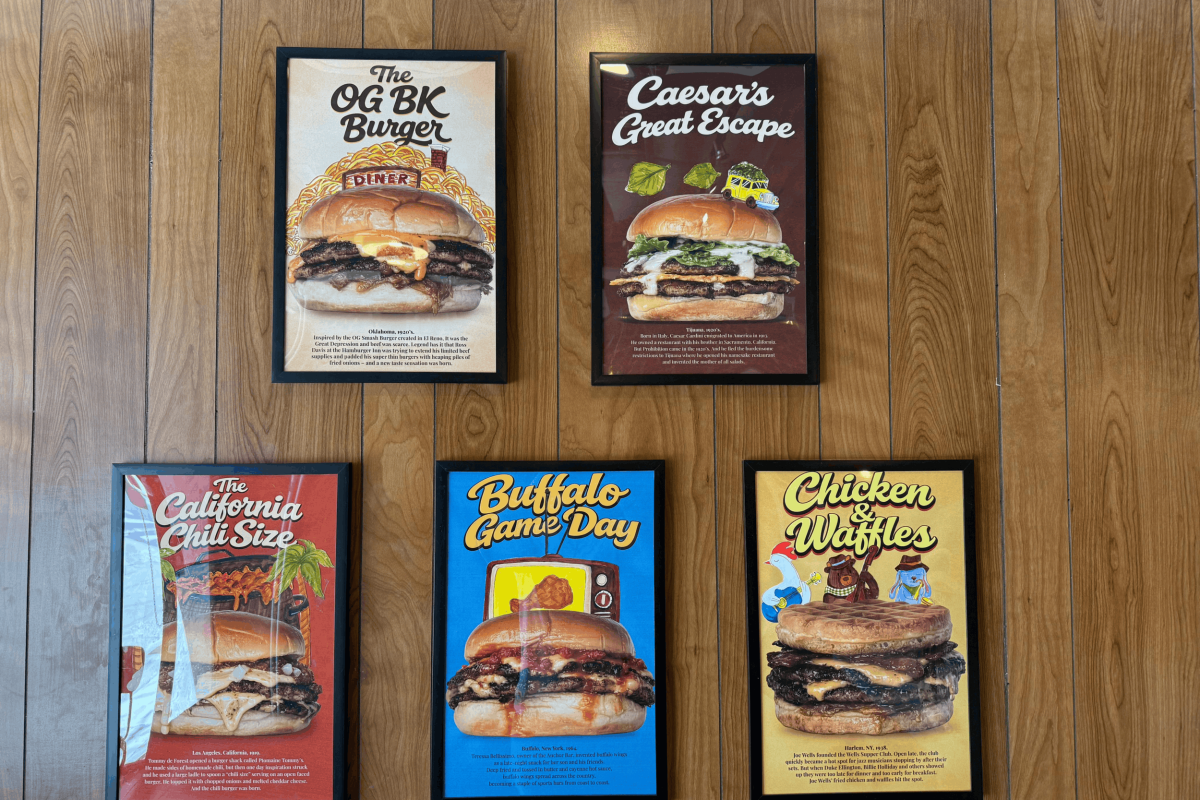
We launched Ramblin' Chick in Brooklyn, New York. An ambitious chicken smash burger brand built to become America's next great burger chain, founded by myself, Brian Smith and Jackie Cuscuna, the legendary founders behind Ample Hills Creamery. We wanted a brand rich in human texture. We commissioned hand-drawn illustrations from global artists. Hand-drawn illustrations by artists in Ukraine, New York, Russia, and Spain. A logo sketched with a pencil. Packaging Easter eggs (Burma-Shave signs, boot trees, abandoned drive-in screens) so obsessively specific that customers will frame their burger wrapper.
All of it made by humans. All of it made possible by AI.
AI Should Be Your Strategy Department, Not Your Creative
I approached this project with AI as the Iron Man Suit. It didn't replace Tony Stark's brain but it made him punch through walls.

Most founders use AI to generate copy or mock-ups. That's the shallow end.
Ebaid Albast
The expensive part of building a brand has never been the design. It's always been the strategic architecture underneath it. The positioning ladder analysis, the category entry point mapping, the distinctive asset audit that tells you whether your visual system will actually encode in memory or just look good on a mood board.
I built a Claude Projects loaded with eight brand strategy frameworks, our full competitive set across 40+ chicken concepts nationally in the United States, six consumer personas ranked by lifetime value, and our complete brand guidelines. Then I used it the way a CPG company uses a strategy department. Run my positioning through Al Ries's ownership test. Audit the distinctive asset system against Byron Sharp's mental availability criteria. Stress-test our cultural territory using Douglas Holt's populist world framework to make sure we weren't cosplaying Americana from a Brooklyn lease.
That's where AI changed actual decisions. We started with four strategic routes. AI helped me run each one through competitive vulnerability analysis, brand extension viability scoring, and category entry point coverage mapping. Three died. The survivor got stronger because the pressure exposed exactly where the positioning was thin and where it was structurally defensible.
I used the same approach on financial architecture. AI rebuilt the entire model from scratch, caught formula errors in the original spreadsheet, flagged unit economics assumptions that sat below market benchmarks, and assembled a 75-task critical-path opening plan with dependencies mapped.
Forget the tool list. Every founder knows about Midjourney and ChatGPT. The unlock is in how you structure the knowledge base feeding your AI and what you ask it to do with that knowledge.
The Real Advantage Is How You Think With AI
I loaded positioning theory, competitive intelligence, and brand system documentation into a single environment, then used it as an adversarial sparring partner. The one that challenges my brief before it reaches the agency. The one that audits my assumptions against empirical brand growth data before they go on the board deck. The one that tells me my "differentiation" is actually a category convention that six competitors already claim.
That kind of strategic pressure-testing used to cost $200K in consulting fees and three months of calendar. AI collapses that cost to nearly zero. The quality of the thinking still depends entirely on the operator. But the speed and rigor of validating that thinking is now accessible to any founder willing to build the system.
Our illustrators drew every line. Our chefs built every recipe. My co-founders shaped this brand with two decades of building beloved food brands behind them.

AI made all of us faster, sharper, and more ruthless about killing what wasn't working.
Ebaid Albast
And finally, the right mental model for AI at least for now is that you should think of AI as a talking dog. When it nails something, it's a miracle, dogs don't talk. When it gets it wrong, it's a dog, don't get frustrated. And it always needs a human nearby to revise, monitor, and keep it from barking at the wrong thing.