Key hack: If you need to do better at your job, get into a room which can exemplify rather than theorize.
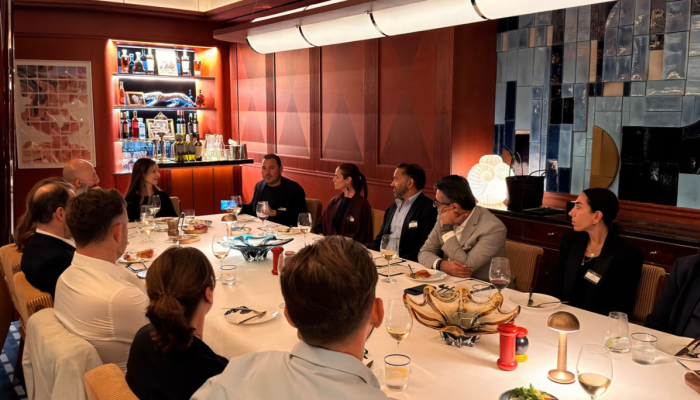
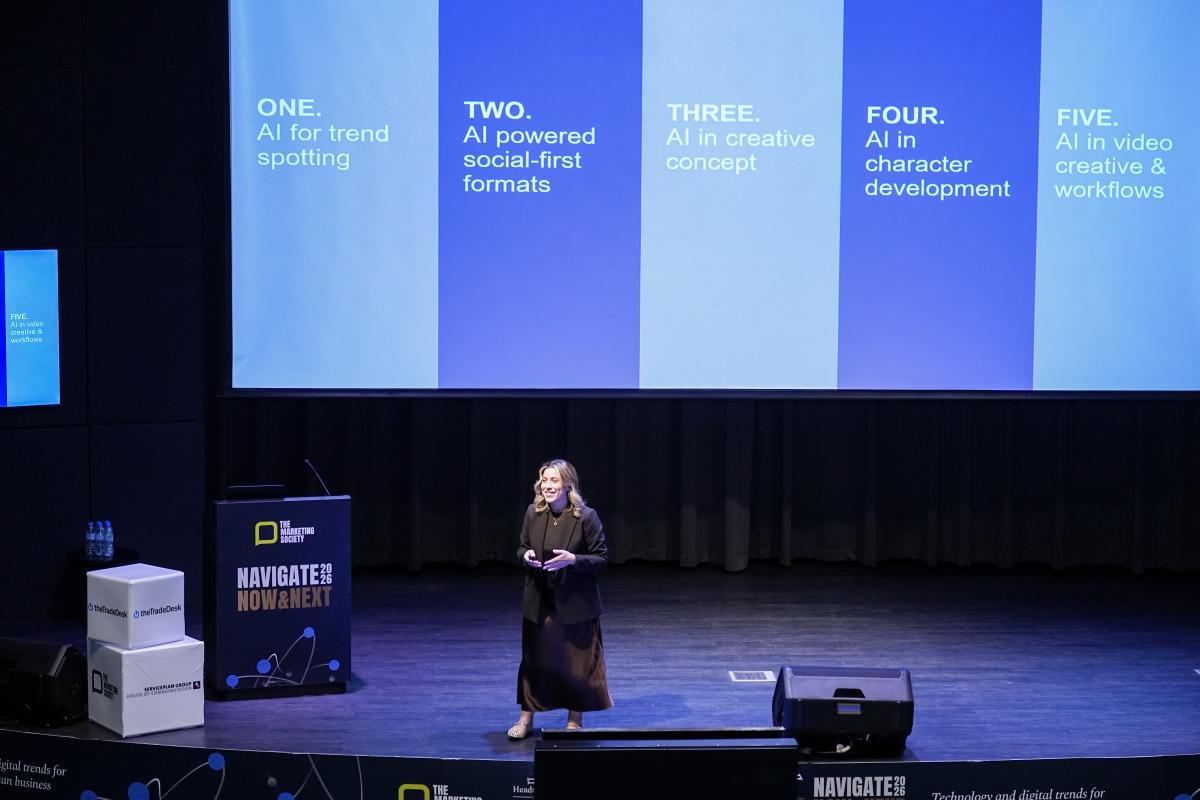
I walked into The Marketing Society’s 5th edition of Navigate: Now & Next 2026 in Dubai, a room full of experienced marketers from various industries brimming with real life examples of how AI intervention has made them better marketers. Moved them from doers to orchestrators.
Healthcare, a domain I live and breathe, is still at nascency when it comes to AI adoption in marketing, compared to e-commerce, entertainment, FMCG, automotive and the like. But nobody in that room was debating whether to use AI. That conversation is long over. What was harder to ignore - in the questions people asked, in the pauses between the case studies - was something less comfortable: having the tools is not the same as knowing what to do with them.
Take audio. Terry Kane from The Trade Desk made the point almost in passing wherein programmatic audio is underpriced, underutilised, and sitting right in front of most media buyers. Not because the technology is new, but because the industry hasn't caught up to what the data is already showing. The signal has been in existence, but action needs to catch up.
And maybe, that was the (un)intended pattern. Department of Culture and Tourism Abu Dhabi didn't discover a new marketing principle when they built an AI-native campaign for the Natural History Museum launch. They didn't reinvent how to reach a Gen Z audience on TikTok. What changed was how fast they could move from insight to execution and how precisely they could match content to the moment. The loop that used to run over weeks ran in real time, thanks to AI.
Nissan did the same thing with the customer journey. Real intent signals fed directly into creative production, so that assets were matched to individual buyer behaviour as it happened, whether onsite or online, and everywhere in between, resulting in reduced cost per lead and better conversion. The response time and knowledge base built with AI tools that aggregated, synthesised and analysed data real time made marketing smarter and more effective.
The sentiment - this is where bigger organisations are genuinely stuck. Because even if the tech stack exists, the AI strategy is in a deck somewhere, not integrated. If not that, then the capability gap hasn’t been addressed. And even if we were to agree that the house is in order, then the decision-making capability - who acts on a signal, how fast, with what authority - hasn't been rebuilt to match, thereby creating an operational gap, not a technological one.
Individual marketers and smaller teams are moving fast, like the marketer cum builders from SifNow and Auntee who are building, testing, iterating without waiting for a committee. The question for marketers responsible for large brands is if the structure around their team using AI tools can keep up with the new advancements and their effectiveness. The more you test, the better it gets.
The signal was always there. What's changed is the speed at which you can read it and the cost of not acting on it.
Best part: I walked out of the room with a new idea to build sharper insights from AI powered signals for a healthcare brand I lead. Worth an experiment and a sharp learning curve ahead!