South Koreans are demanding ‘proof rituals’ before trusting what’s on their screens, using queues, pop-ups, diagnostics, verified reviews and tougher platform safeguards to feel shopping savvy. This gives an edge to brands that turn claims into traceable, in‑person or receipt‑backed evidence.
In a country that loves status goods, South Koreans are learning that just because something looks good on an influencer’s feed doesn’t mean the hype is real. Now, they’re demanding ‘proof rituals’ from brands, shifting their shopping habits to be more judicious and quality-driven. Canvas8 discusses this in a new article that asks: “Why are South Korean shoppers putting hype on trial?”
Why is this important?
The scepticism cuts across sectors. When a YouTuber posted an exposé of alleged overcharging at Gwangjang Market, viewers used her breakdown to decide whether the landmark market still warranted a visit. On forums, people describe consulting Naver Maps scores, scrolling through blog reviews and checking comments before treating a spot labelled matjip (맛집) – a must-try – as genuinely worth the trip. Recent platform and influencer scandals have only sharpened that habit. In late 2025, Coupang admitted that the personal data of about 33.7 million of its customers had been exposed. The e-commerce giant tried to contain public anger as hearings, lawsuits and US–South Korea trade tensions kept the story in the headlines. Around the same time, first-generation K-pop star Bada of S.E.S. apologised after promoting a wrinkle cream in a YouTube segment later criticised as misleading. In the past two years, regulators have identified more than 26,000 hidden ads on Instagram, Naver blogs and YouTube posts packaged as personal reviews that were in fact paid promotions.
What’s the behavioural shift?
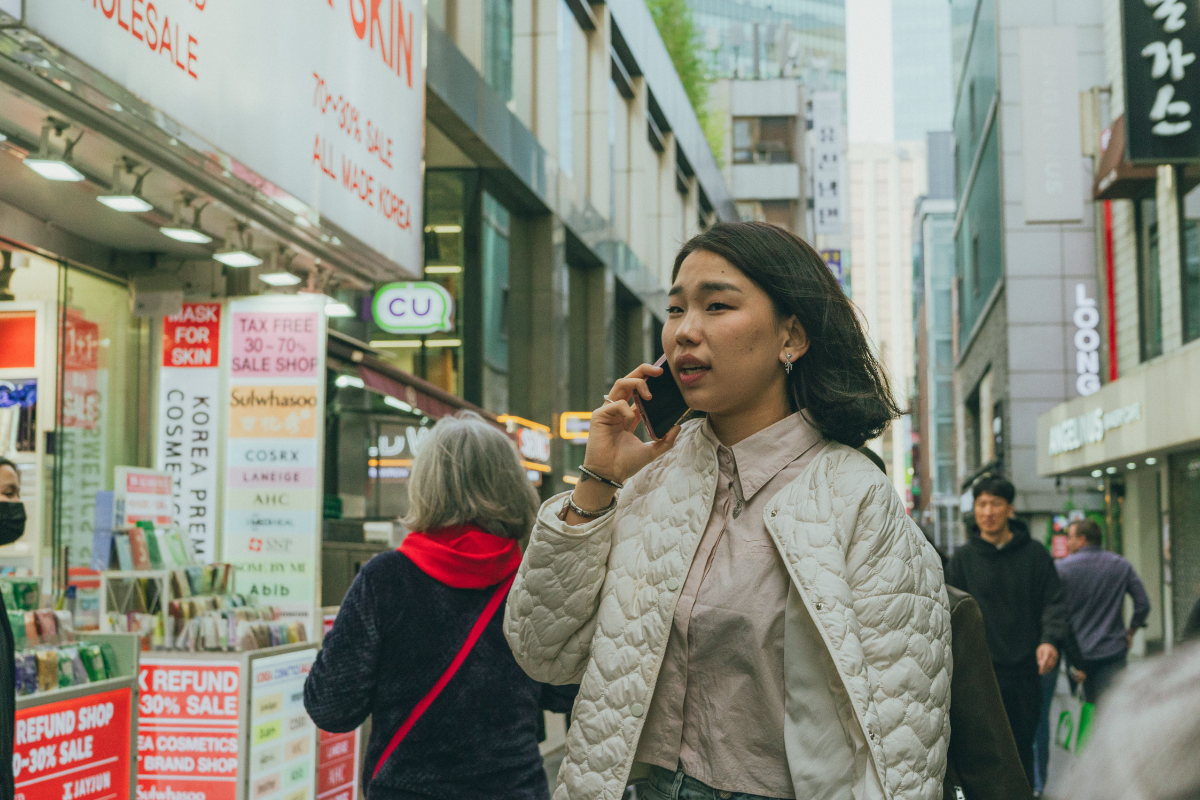
This shift is most obviously seen in the rise of pop-up stores in Korea. In 2025, the number of pop-ups in the country surged to 3,371. This was a 96% increase from the previous year, reflecting how offline spaces are now part of the retail ecosystem rather than just in support of it. South Korean vertical e-commerce platforms are also moving back into brick-and-mortar stores and pop-up spaces. “People are exposed to an overwhelming amount of information, reviews, recommendations and branded content online,” notes Lia Baek, entertainment marketing and social media strategist. “In that environment, trust is increasingly built through signals that feel more organic, transparent and consistent.” Shoppers are using physical presence as proof: lining up for open runs, visiting pop-ups and treating queues and sold-out notices as live demand signals. Once inside, people actively test and compare – touching fabrics, swatching shades, sampling desserts – and then post long-form reviews or forums dissecting whether the experience can justify the wait.
South Korean shoppers are now building their own evidence chains so they feel harder to fool rather than easy to sell to. They look for receipt-backed and verified-purchase reviews, completed booking records and even negative reviews with photos or price breakdowns on platforms like Naver Blog, Kakao Maps, and YouTube – sometimes even asking AI to pull everything together. They’re also gravitating towards specialist creators and expert explainers on local platforms – people who decode ingredient lists, routines and side effects instead of just doing quick unboxings. Apps such as Hwahae, literally “interpreting cosmetics”, have become everyday tools for hazard ratings and allergy flags. South Korean beauty communities pore over Hwahae rankings and ingredient breakdowns to judge whether a hyped serum or sunscreen is actually safe and suitable for their skin.
Key takeaway for brands?
Instead of fighting proof rituals, integrate them into shopping experiences by:
Staging pop-ups as purchase triggers
Building traceable proof into platforms
Letting shoppers verify, not just watch
For example, Olive Young’s N Seongsu store now doubles as an evidence-gathering space that offers AI-powered skin and scalp diagnostics, colour analysis and in-store trials. It has drawn more than 2.5 million visitors and over 30,000 beauty check-ups in a year. Naver, for its part, is promising tougher action on AI-generated fake receipt reviews, signalling that clear rules and visible enforcement now matter more than keeping everything effortless. Meanwhile, Grip (그립), South Korea’s first dedicated live commerce platform, has shown how the format can invite scrutiny, using specialist hosts, detailed demos and real-time Q&A in a session that drew over 2,200 viewers and more than KR₩5.3 million ($3,400) in sales. Adding steps for more vetting may first seem like a challenge but brands can take this as an opportunity to set themselves apart in a sea of competitors.
Global strategic insights agency Canvas8 is the official Culture Partner of The Marketing Society Singapore and Hong Kong. Exclusively for Members in Singapore and Hong Kong: get eight weeks of access to the cultural intelligence that helps you move with certainty, not guesswork. Members, you will have been sent the link to access.